Book Appointment Now

Decorative Materials: Tips, Tricks, and Techniques
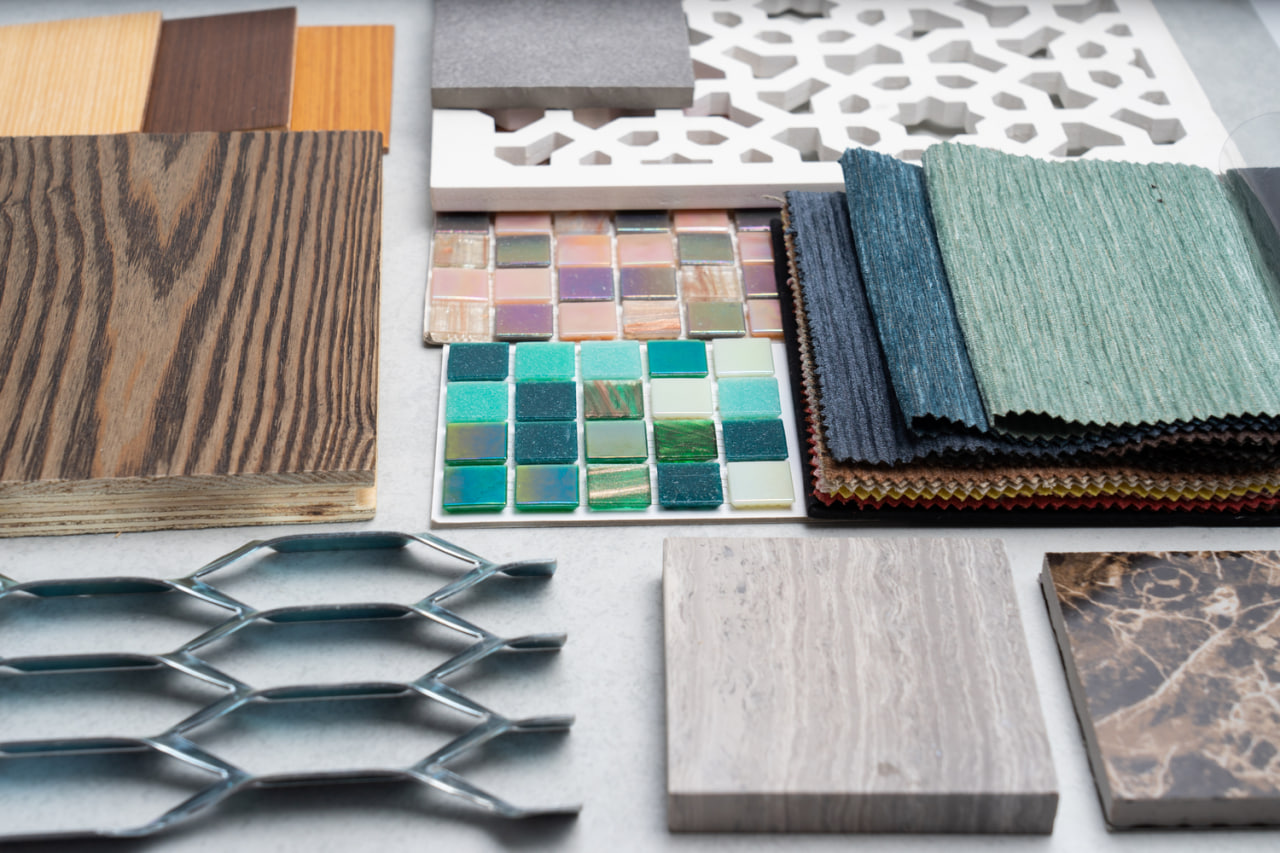
Decorative techniques involving fabric, paper, and wood are fun and engaging. Knowing the skills, techniques, and tips to follow will result in a beautiful, professional finish. For beginners or intermediate users, it is always best to focus on acquiring more skills before attempting to complete more difficult projects.
Must-Haves for the Serious Crafter
You cannot craft without the right tools. The very basic tools you will need to get started with your craft, especially if you are a beginner, are scissors, cutting mat, ruler, pencil, glue, pins and brush. The aforementioned tools will aid in precise cutting, cutting, measuring and accurate application.
In sewing, for example, a good sewing machine and variety of needles and threads make it much easier to produce consistent, fast stitches. In woodworking, sandpaper, clamps, and small hand tools allow you to shape and smooth wood. Understand how to take care of and use each tool, and you will achieve more polished results.
Knowing Your Medium
It’s just that every medium has its own quirks and you need to understand how it works. Fabric has grain and stretch and fraying. Paper tears and creases if you’re not careful, so you need to fold it and score it and stack it. Wood needs to be sanded and sealed, or it will splinter and be rough to the touch.
Understanding the way materials interact is crucial, too, especially when you’re using them in tandem. You might find that you need to add extra support to fabric that you’ve adhered to wood, or that you need to sew or embroider paper accents onto fabric in order to keep them from falling off. Understanding materials means fewer errors, and allows you to play and experiment even more.
Basics
This is why it is important to start with the basics and learn how to do them well. It will make you feel more confident and then you can move on to more complex things.
Sewing and Fabric Techniques — Master the straight stitch, backstitch, hem, and applique. Even basic embellishing stitches can make a plain fabric project truly special and unique.
Paper Craft Techniques – Cut, fold, score, layer, and glue. Use quilling, origami, decoupage, and other techniques to add depth and professionalism to your paper crafts.
Woodworking Fundamentals Practice sanding, cutting, drilling, painting, and sealing. Simple projects like wooden signs, frames, and boxes will help you hone these skills.
A Helpful Guide to Getting It Just Right
Work Environment Organize your work space to ensure that it is clean, well lighted and well ventilated. Keep your supplies, tools and patterns in order. It will make the task easier to complete and help prevent errors.
Measure Twice, Cut Once
Measuring correctly saves resources and keeps projects in proportion. Create or use a ruler, template or grid to help you measure.
Practice Regularly: Regular practice is one of the best ways to build muscle memory and to hone your techniques. Practice with small projects before making something big or complicated.
Experiment and Innovate
Feel free to combine materials or methods in unique ways. Layer fabric over wood, add paper details to fabric pieces, or combine paint and carving.
Common Mistakes and How to Avoid Them
Even seasoned DIY folks make mistakes. Unraveling threads, off-kilter joints, and splintered wood can result from a lack of diligence. Take your time, use a tape measure, and keep your equipment sharp. Remember, every failure is a lesson learned—analyzing errors helps perfect your craft for the next time around.
By writing things down or taking photos as you go, you can see where you made changes and avoid the same mistakes in the future. This will result in a more finished, professional result over time.
Challenges Help You Develop New Skills
It’s true, skill building challenges help you learn faster. One example is to focus on learning one new technique a week, whether it be a new stitch, a fold, or a way to paint. Sometimes it’s themed such as making a seasonal decoration or a gift. Often it’s mixing different mediums together to help you learn how to use different materials together in the same piece.
Doing it with friends, family or an online community is more motivating. You can share your outcomes and get some feedback so that you can make your work even better.
Why Master Tips and Techniques?
Knowledge of tools, materials, and processes will help you in your work. It will allow you to produce better results and have less frustration. It will also open up new possibilities to you. A knowledgeable crafter will be able to customize their work, diagnose problems quickly, and fearlessly try new things.
In addition to improving technical skills, craft skills will also teach you patience, attention to detail and imagination. With each project, you will learn, and the more you challenge yourself, the more fun you will have.
Now, let’s talk about incorporating skill-ups into your crafting.
By putting in the time and effort to learn about different tools, supplies, and processes, your hobby will become a fun and enjoyable life long hobby. Start with simple projects and practice, then move on to more advanced projects. Try new supplies, improve your techniques and tackle harder projects.
So, with a little practice and a willingness to explore, each project becomes a chance to discover, hone your skills, and make it your own. Learning tips, tricks, and techniques for using embellishments means you can make beautiful, personal crafts.